Tips & Tricks to Reduce Home Waste
Across the UK we throw away mountains of food every single week and it’s becoming a growing concern for businesses and homes alike. There are lots of easy ways we can all reduce food waste (and grocery spending), both in our own kitchens and in bigger ways, too.
Did you know?
One third of the food produced globally goes to waste. This is a problem of epic proportions that impacts us financially, socially and environmentally. In the UK, 10 million tonnes of food are wasted every year, with around 70% of that coming from our homes. This means there is a huge opportunity for us as individuals to make a positive difference and reduce the amount of food we waste at home. Surprisingly, our everyday preferences are responsible for a huge amount of food.
Compleating
A guide to complete eating!

A new leaf of life
Wake up your wrinkled and wilted veg in a glass or bowl of cold water – they will be good as new in less than half an hour.
Be a smoothie
Make smooth mash with skins. Cut whole, clean potatoes into small cubes and boil for 15 minutes – mash them up with some butter and milk, and you will never notice the skins but will get all the nutritional benefits.
Attennnnshun!!
Make stronger ‘soldiers’ by using the ends of the loaf – simply toast, butter, slice and dip!
Don't fumble your crumble
No need to peel apples for this winter favourite! Simply slice the apples thinly or into small chunks, saving time and adding colour to your crumble too.
A crust must
Keep your favourite salsa or dipping sauce handy when you next serve pizza to ensure the kids – and big kids – eat their crusts
Top tip
Use sprout tops (the leaves from a fresh sprout ‘tree’) as a deliciously and healthy green veg in its own right – a perfect substitute for cabbage.
Use your loaf
The end slices of a loaf of bread make perfect mini pizza bases. Make a super quick and cheap snack by piling toppings onto these thicker end slices – yum!
Say cheese!
Next time you make cauliflower cheese, include the leaves and stalk for an even tastier and more colourful meal.
Go back to your roots
Why peel beetroots when we really don’t need to? The skins are great when roasted in oil, either whole or chopped into wedges.
The leaves are also a delicious raw or cooked – just like chard or spinach.
Compleating 101
Chop it, peel it, bin it? Habit?
It’s far too easy to bin all the odds and ends you’ve always chopped off during meal prep, but a lot of the parts we throw away can be eaten – and can often be the best bits in terms of flavour and nutrients. Here are some simple ideas to inspire your culinary cogs.

Orange and lemon peel
Candied peel will keep for 6-8 weeks in an airtight container. Use it in fruitcakes, muffins or other sweet treats.
Pumpkin seeds
Roasted pumpkin seeds are both nutritious and delicious, as well as fiendishly easy to make. Simply toss seeds in a bowl with melted butter and salt, spread them out on a baking tray and bake for 45 mins at 150°C/gas mark 2. Scrummy snack sorted.
Cauliflower leaves
Eat more of your greens by giving these outer leaves a thorough wash, then popping them in a bowl with oil and spices. Lay them in a single layer on a baking sheet and roast in the oven until crispy – bish, bash, cauli leaf nosh!
Carrot leaves
Don’t let your bunny get the best bits! Carrot top greens are not only edible, but tasty and loaded with nutrients. Whizz them up into a quick carrot top pesto with olive oil, garlic and parmesan and drizzle over your roasted carrots.
Cabbage hearts
With many health benefits, cabbage hearts have lots of uses – not just the leaves. Simply shred them into salads, soups or stews.
Herb stalks
It’s not just the leafy parts of your parsley, coriander, basil and mint that are there for the eating, the tasty stalks are just as good. Chop them into dips and sauces, blitz them into pesto or sprinkle onto savoury dishes. True stems with benefits!
Sprout tops
It’s not just the brussels sprouts that you can eat when you get a whole sprout ‘tree’ – you can eat the round leaves at the top too. This crown of vitamin goodness is so tasty that some retailers now sell them as a product in their own right – try them in stir fries, soups and stews.
Leeks and spring onion greens
Stop chopping when you get to the end of the white bit? Well don’t – the green ends of leeks and spring onions are full of nutrients and packed with flavour. Use them in the same way as you would the rest of stalk, and make sure you wash thoroughly.
Tips & Tricks from our Community
We’ve been talking to our food hub supporters and have collated some tips and tricks for storing food, keeping food fresh and general food tip!
Apples
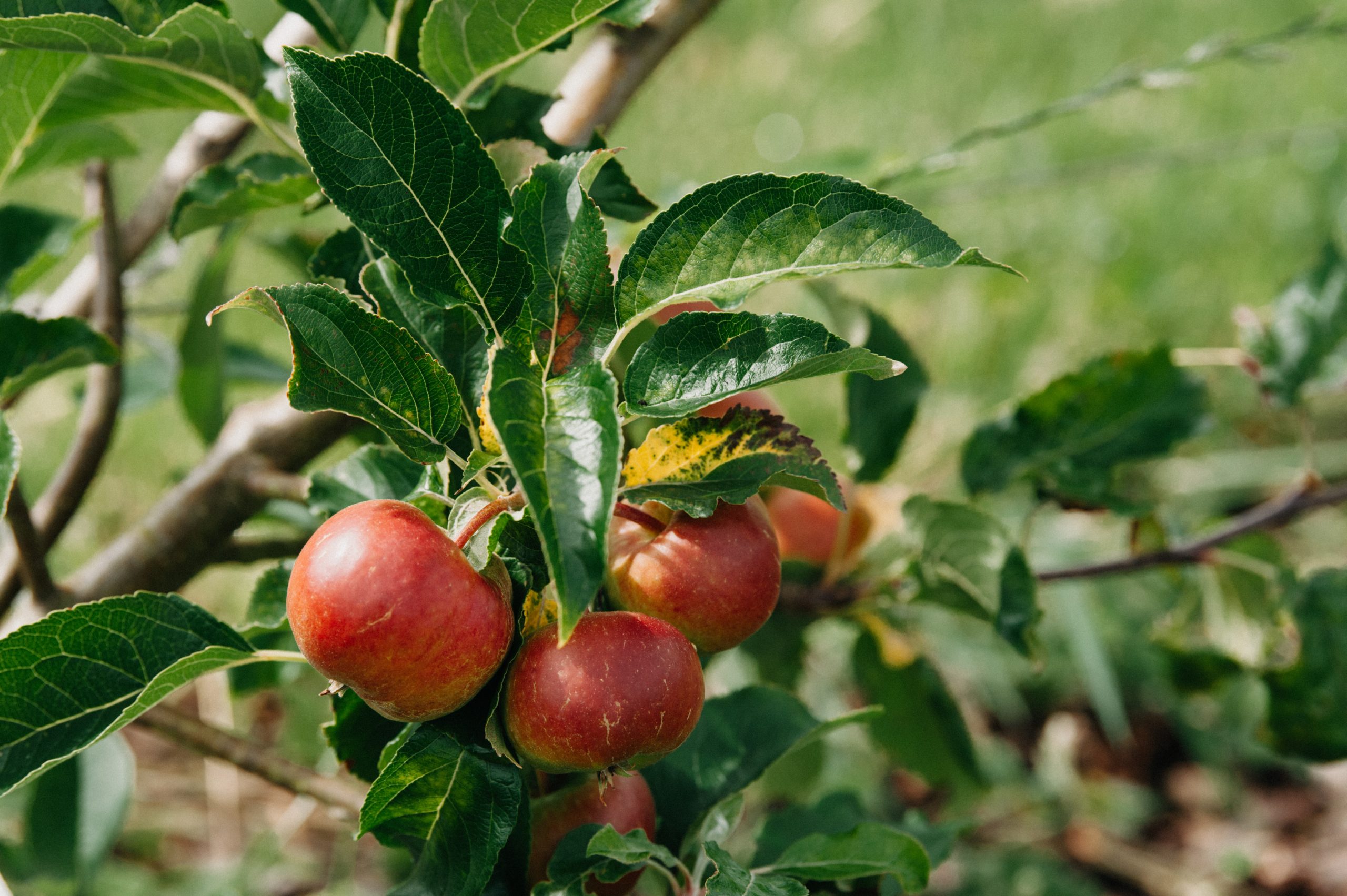
The fridge is the best place to store Apples. For freshness and quality, always store your apples in the fridge. They will last longer than if left out in a fruit bowl. Think about buying apples loose. Buying loose helps you to buy what you need. If you buy what you need, you’re more likely to eat what you buy.
CAN I FREEZE IT?
Yes. Apples can be frozen in slices after they have been quickly cooked in boiling water. Freeze in a single layer, then pack into bags once frozen. You can use the frozen apples to make apple cake or apple sauce.
FRESHER FOR LONGER
One bad apple can spoil the barrel, so keep an eye on your fruit. Separate out fruit which is ripening more quickly than the others. However, don’t throw bruised apples away. Cut off any brown parts and chop the rest into wedges for a snack, or grate the remaining apple into salads.
Use it Up
You can use up wrinkly or soft fruit in smoothies. Appes past their best are great in pickles, chutneys or even added to a curry. Stew old apples to make apple sauce or use up in a crumble.
Bananas
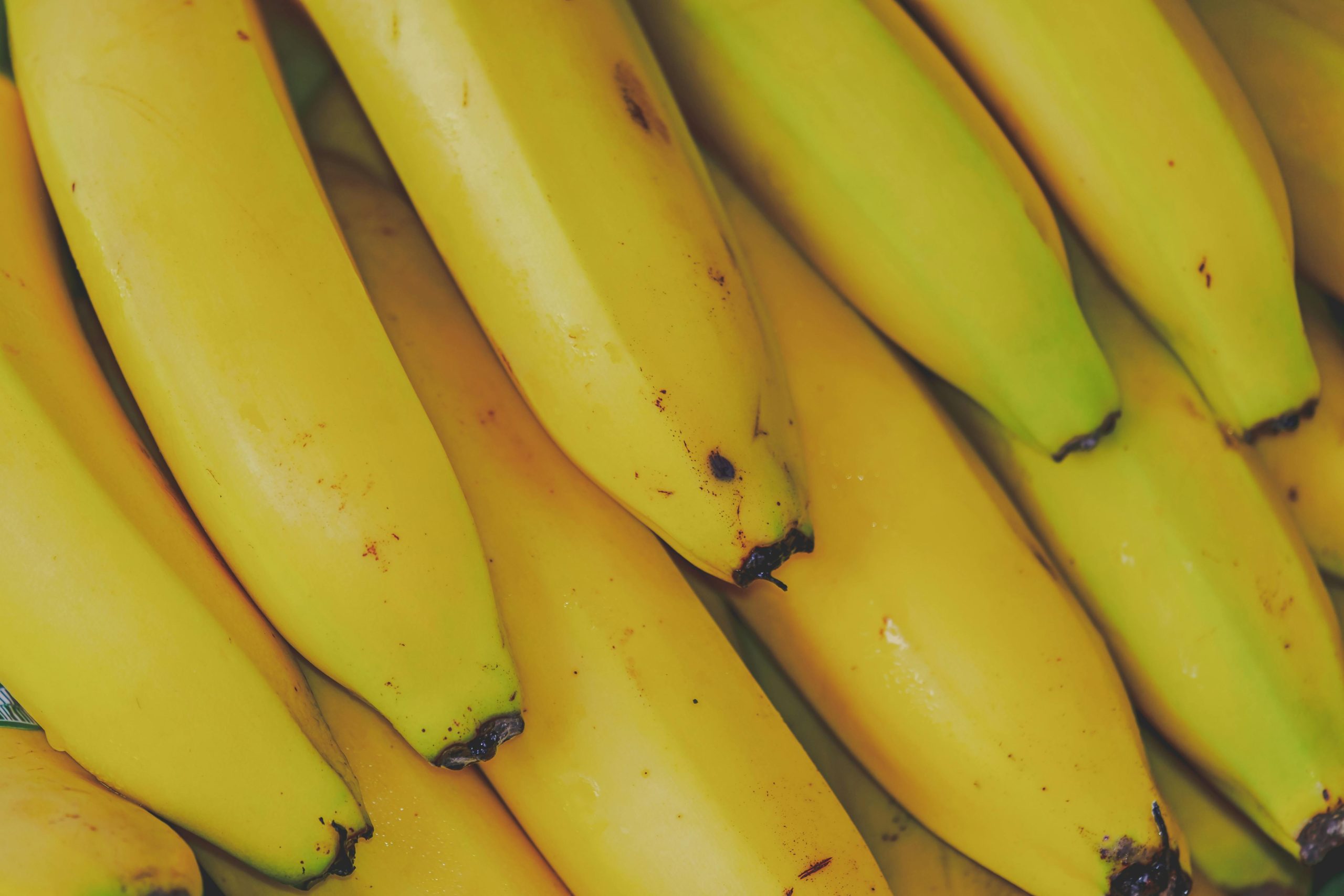
The cupboard is the best place to store bananas. Keep your bananas somewhere nice and cool, in a cupboard or on the side. Bananas will go black in the fridge. Think about buying bananas loose. Buying loose helps you to buy what you need. If you buy what you need, you’re more likely to eat what you buy.
CAN I FREEZE IT?
Yes. Bananas can go brown quite quickly so if you see them start to go speckled, peel and freeze them to use later.
FRESHER FOR LONGER
Always keep bananas separate from other fruits unless you want the other fruit to ripen quickly.
Use it Up
Frozen bananas are great for smoothies as well as banana bread or loaf. Blend frozen bananas in a food processor for a healthy alternative to ice cream, or bake them in the oven.
Broccoli
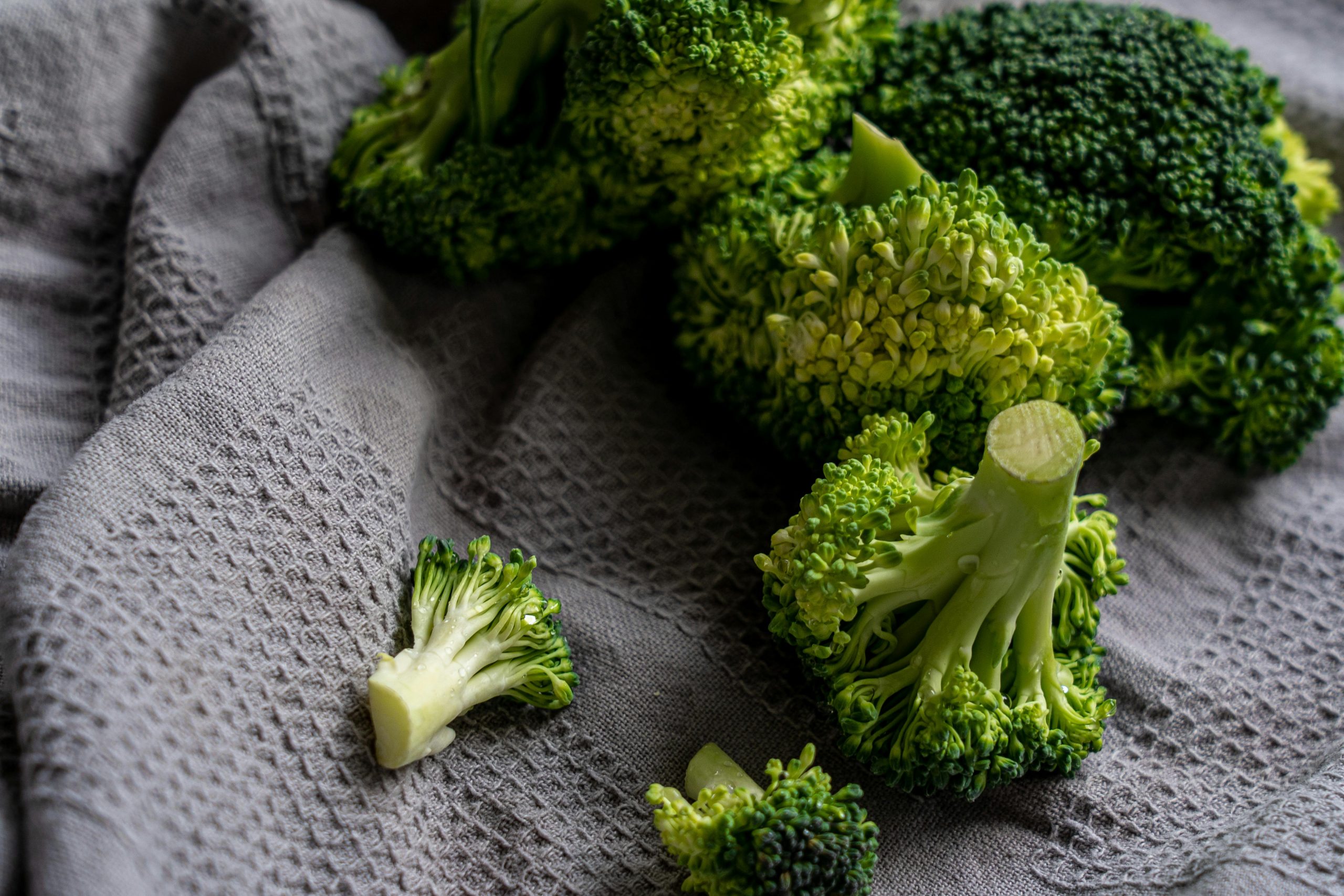
The fridge is the best place to store broccoli. Broccoli should be stored in the fridge to keep it at its best.
CAN I FREEZE IT?
Yes. Chop and boil broccoli for three minutes before freezing to retain the flavour. Or why not try shop-bought frozen vegetables? It is often cheaper than fresh, and you can take as much as you need straight from the freezer.
KEEP IT FRESH
Freshen up broccoli by placing the stem in a jar or glass of water in the fridge.
Use it Up
Cooked broccoli can be blitzed with milk and used as a creamy sauce for fish or chicken. Don’t discard broccoli stalks; these are the best bits! Cut them lengthways and cook with the florets, or serve raw in salads.
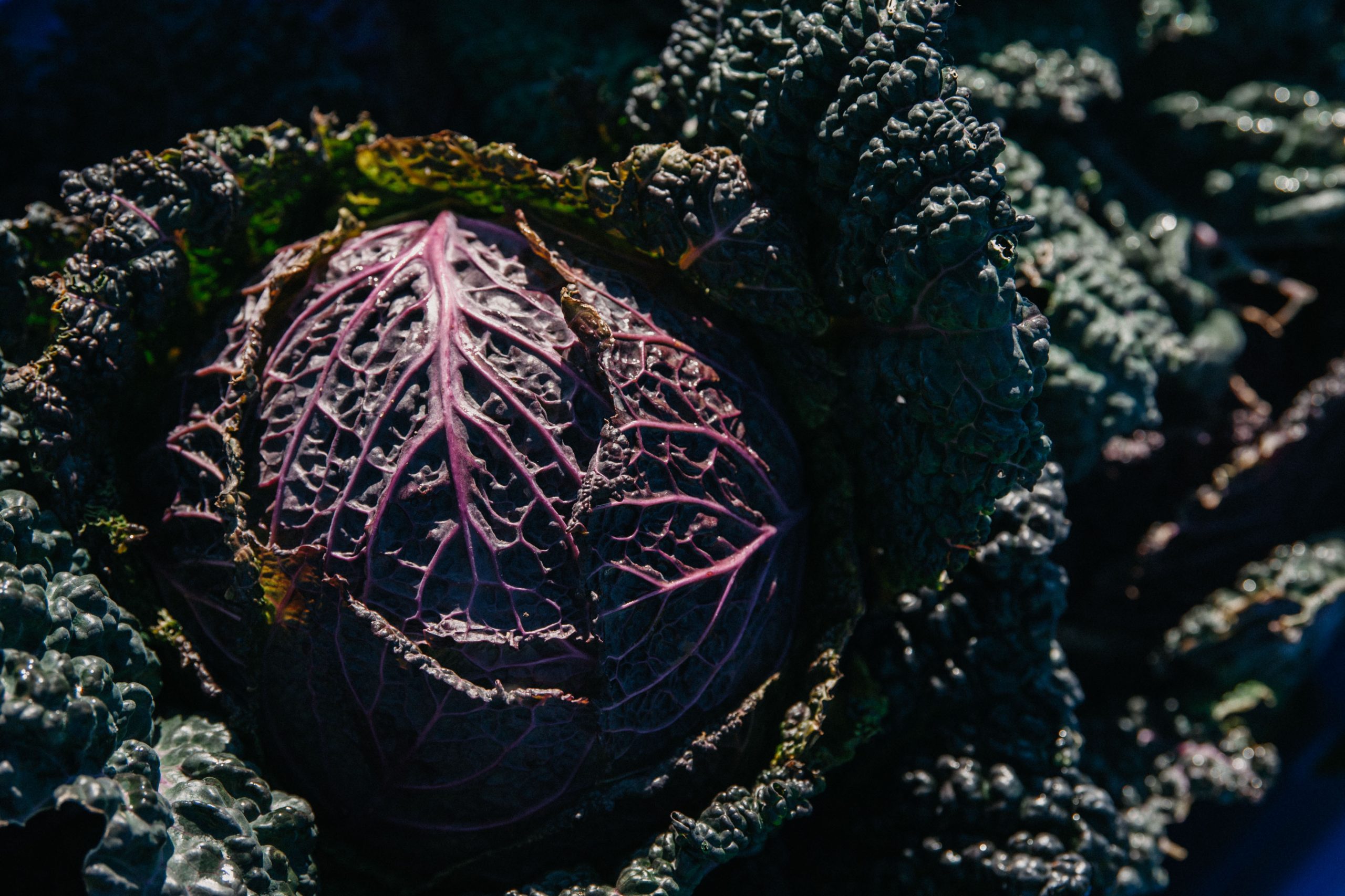
Cabbage
The fridge is the best place to store cabbage.
CAN I FREEZE IT?
Yes. Blanch sliced cabbage for 90 seconds, then place in ice water before freezing.
FRESHER FOR LONGER
Freshen up cabbage that is looking a bit limp and tired by popping into a bowl of ice-cold water for a few minutes.
Use it Up
Finely slice raw cabbage, carrots and onions and mix with mayonaise for a quick and easy homemade coleslaw.
Make your own blue food dye!
Chop about 1/4 head of red cabbage; put the cabbage in a saucepan with about 1 cup of water. Bring to a boil, reduce heat to maintain a simmer and cook for 20 minutes. Strain or lift out and discard the cabbage pieces. Stir 1 tsp baking soda into the purple liquid to turn it blue. Boil to reduce to about half it’s original volume, or even more for a deeper and more intense blue. Let it cool and use as blue food dye.
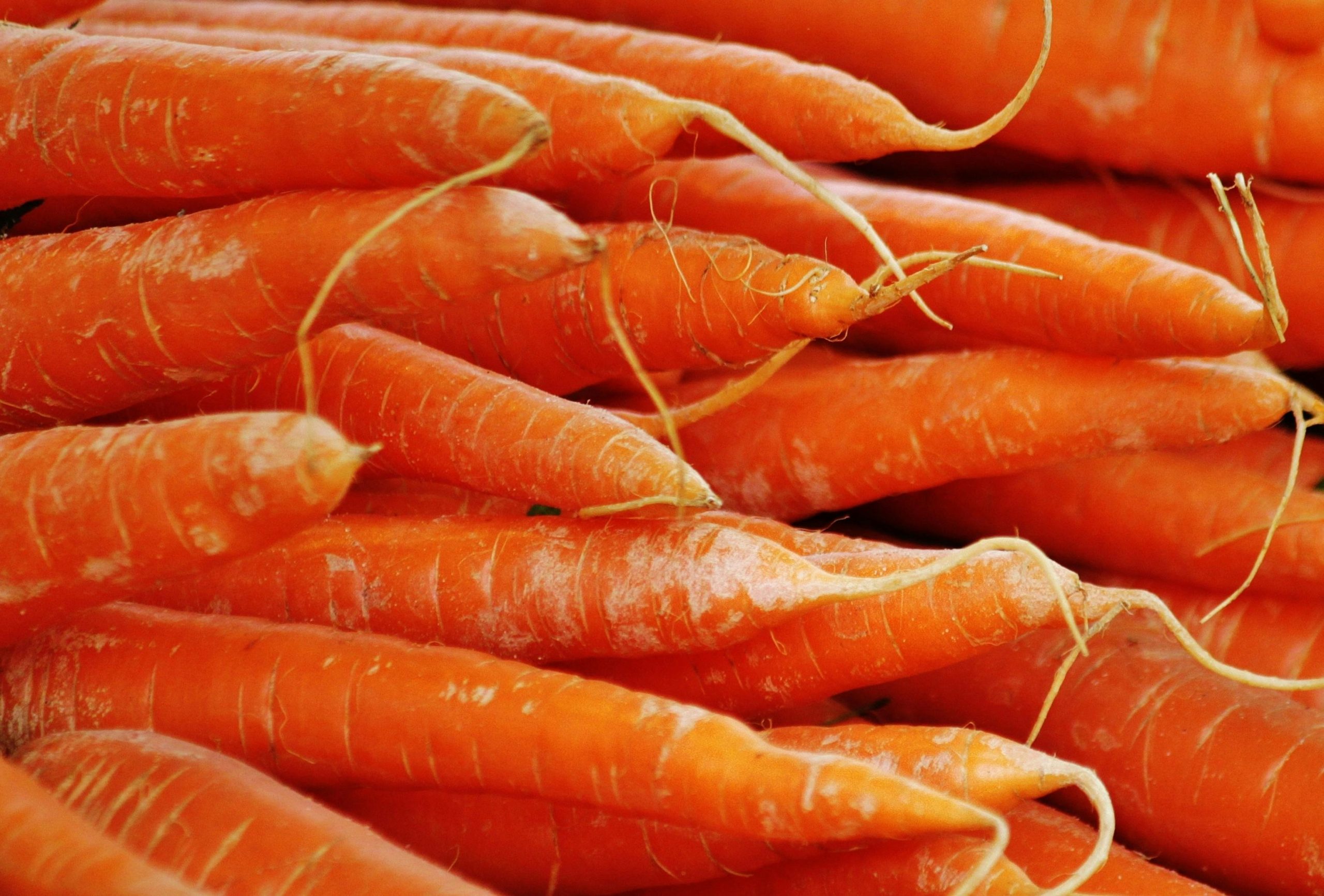
Carrots
The fridge is the best place to store carrots. Think about buying carrots loose. Buying loose helps you to buy what you need. If you buy what you need, you’re more likely to eat what you buy.
CAN I FREEZE IT?
Yes. Cooked carrots can be frozen – place in a sealed container and remember to label with the contents and date you froze them. Boil uncooked carrots for a few minutes and cool in iced water before freezing. You can also add carrot to a stock bag and freeze along with onions and celery as preparation for a stew or soups. Or why not try shop-bought frozen vegetables? It is often cheaper than fresh, and you can take as much as you need straight from the freezer.
FRESHER FOR LONGER
Bendy carrots? Chop off a small slice from each end and place in cold water. They’ll soon perk up.
Use it Up
Juice your leftover carrots with a touch of ginger and mix with ginger ale, lemonade, lime or coconut milk for an exotic, refreshing, zingy, nutritionally-packed juice. Or use them up by grating them for salads, carrot cake or muffins.
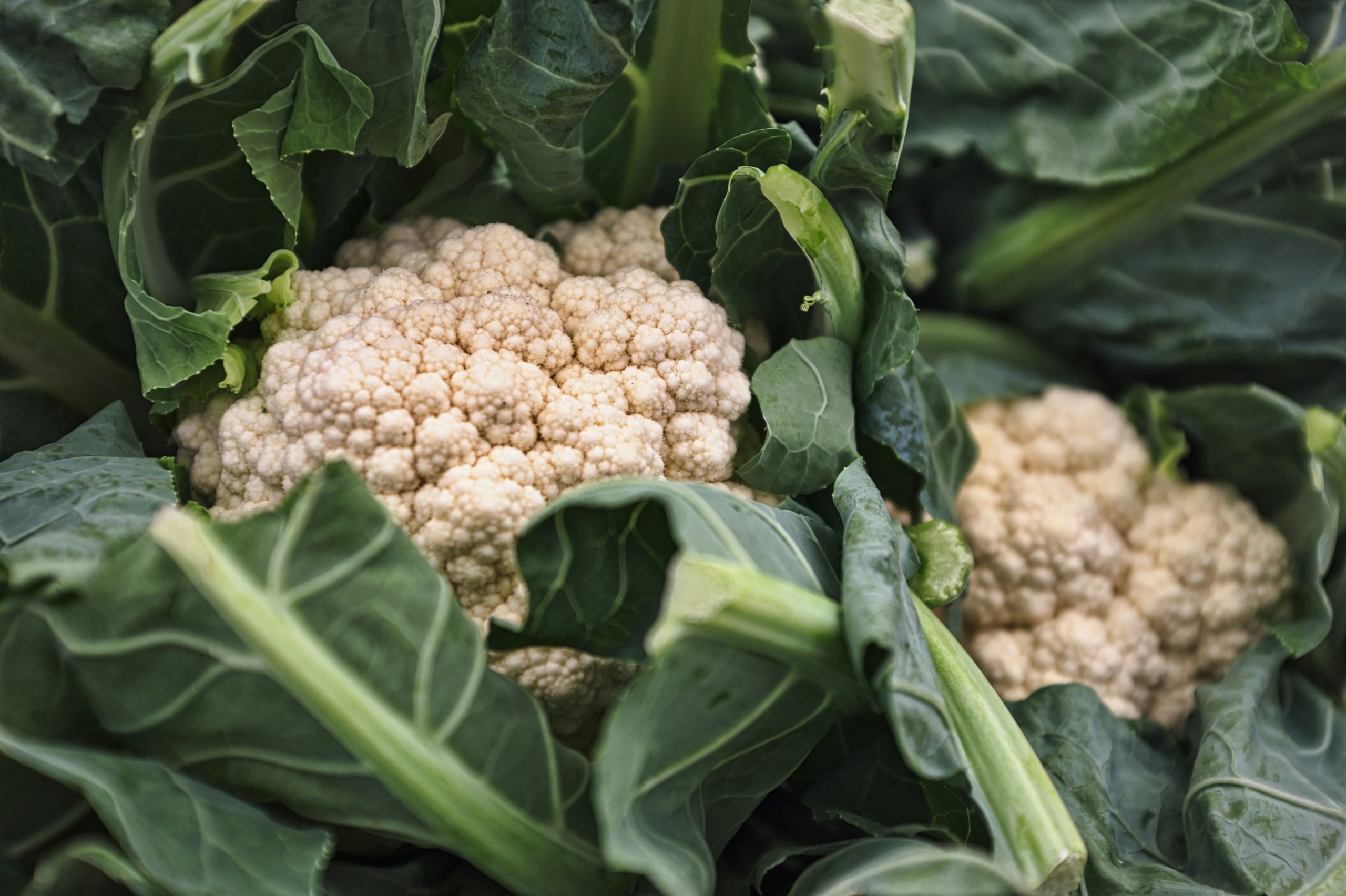
Cauliflower
The fridge is the best place to store cauliflower.
CAN I FREEZE IT?
Yes. Slice cauliflower into small florets and boil for 90 seconds, then cool in a bowl of ice water before freezing. Or why not try shop-bought frozen vegetables? It is often cheaper than fresh, and you can take as much as you need straight from the freezer.
FRESHER FOR LONGER
Freshen up cauliflower by placing the stem in a jar or glass of water in the fridge.
Use it Up
Don’t forget – the stalks and leaves of a cauliflower are delicious too! Cook along with the florets or slice raw and add to salads.
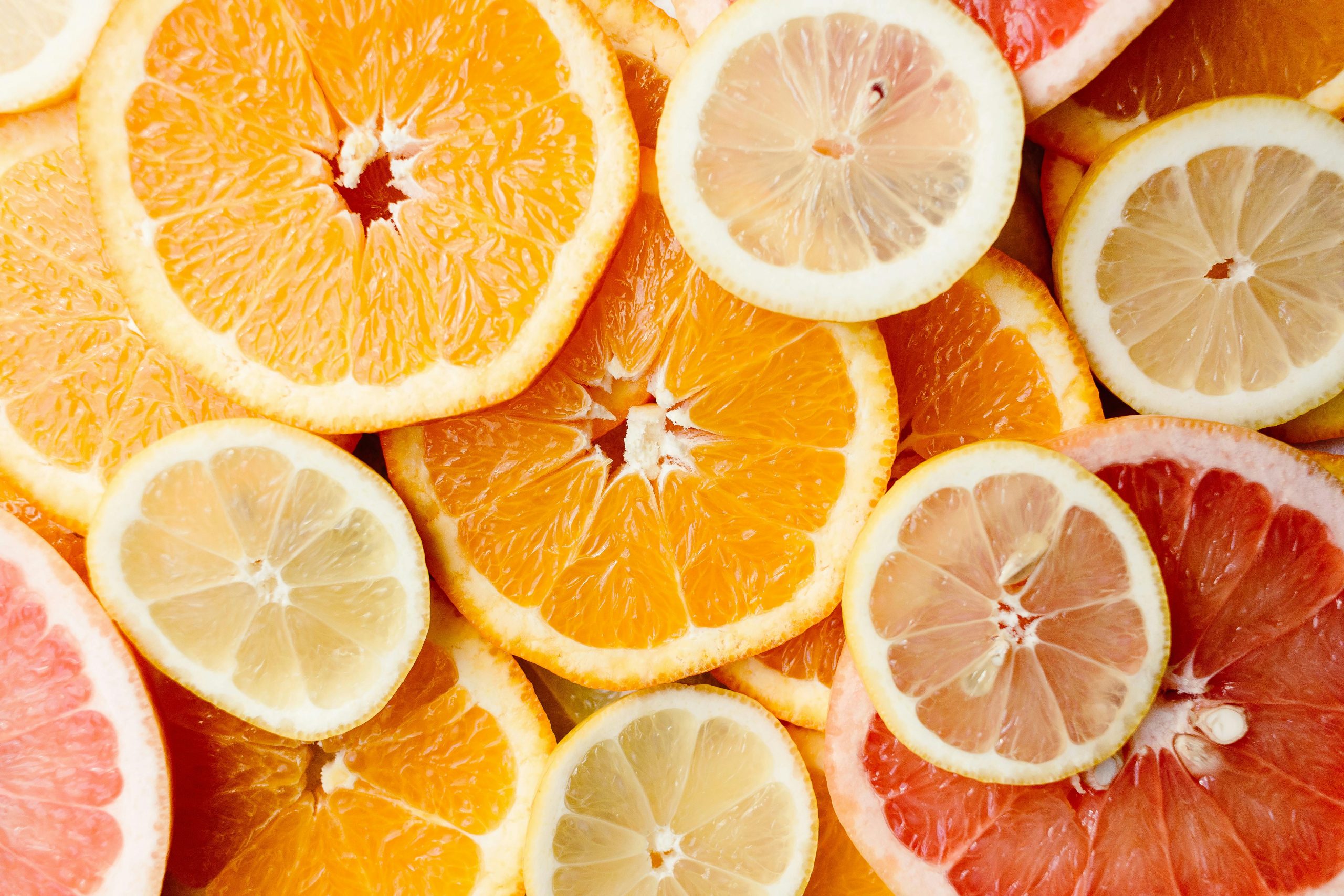
Citrus Fruits
The fridge is the best place to store citrus fruits. Think about buying citrus fruits loose. Buying loose helps you to buy what you need. If you buy what you need, you’re more likely to eat what you buy.
CAN I FREEZE IT?
Yes. All citrus fruits can be simply sliced and frozen, or juiced into ice cube trays for adding to drinks and cooking. If you freeze the skins, this will make them much easier to zest with a grater if you want to use them later.
FRESHER FOR LONGER
Keep your citrus fruits in the fridge and only bring to room temperature when you are ready to eat them.
Use it Up
Roll citrus fruit on a hard surface with your hand. This makes them easier to squeeze when cut, to make sure you get the most from them.
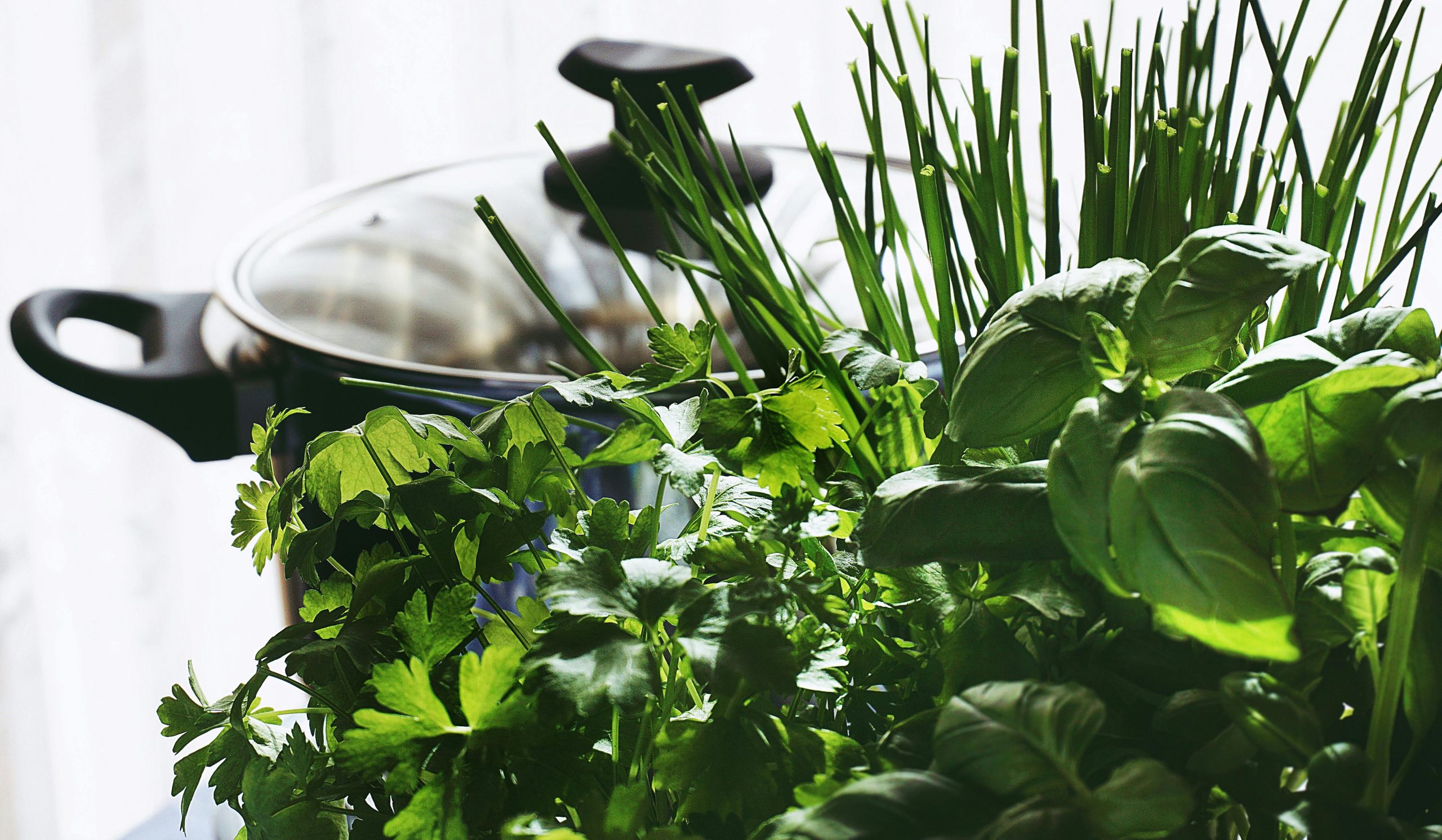
Fresh Herbs
Store uptight in a glass and keep them in water to last longer (change the water every few days). The fridge is the best place to store herbs. A cool dry place or in the fridge is the best place to store garlic to keep it fresher for longer.
For ‘Living/potted’ herbs, follow the instructions on the packaging or consider re-potting.
CAN I FREEZE IT?
Yes. It’s worth freezing herbs that you use regularly, such as mint, parsley, chives, and tarragon. Wash and dry them before freezing whole in freezer bags, or chopped into ice cube trays covered with water. They can be cooked from frozen in casseroles, stews and sauces.
Use it Up
Mix crushed garlic and herbs with butter to make homemade garlic bread or a topping for meat or fish. You can freeze garlic butter in individual portions to use another time – use an ice-cube tray to freeze cubes which you can then pop into the pot or pan while you’re cooking.
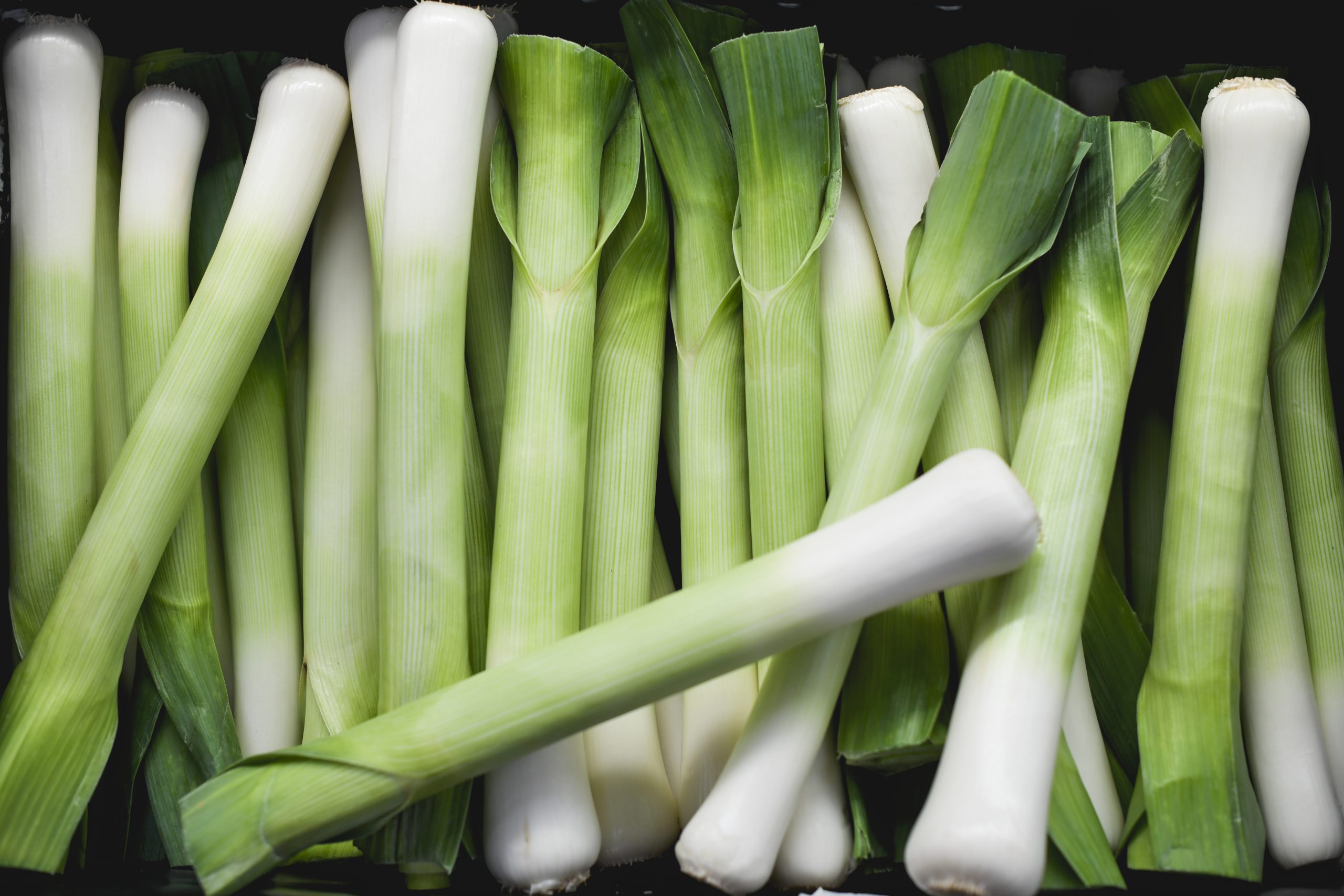
Leeks
The fridge is the best place to store leeks.
CAN I FREEZE IT?
Yes. Leeks can be frozen! Simply slice and freeze them on a tray, before popping into a sealed container.
FRESHER FOR LONGER
Freshen up leeks by placing the stem in a jar or glass of water in the fridge.
Use it Up
Leeks are a great addition to a vegetable soup or a cheese sauce. Alternatively, you can add cooked leeks to mashed potato.
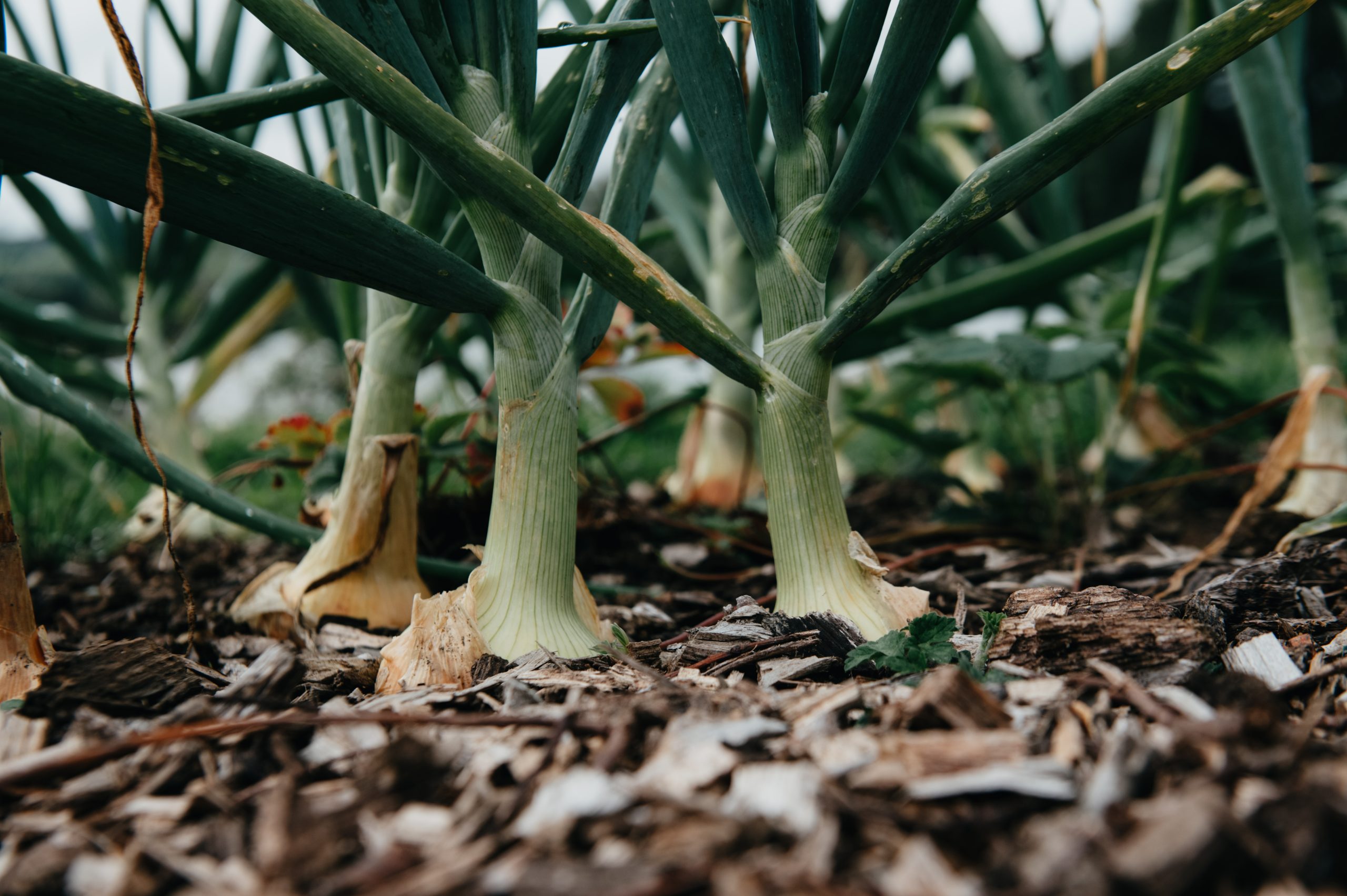
Onion and Spring Onion
The cupboard is the best place to store onions. Onions (brown, red, white) are best stored in a cool, dry, dark place, ideally in a cloth bag.
Spring onions should be stored in the fridge.
Think about buying onions loose. Buying loose helps you to buy what you need. If you buy what you need, you’re more likely to eat what you buy.
CAN I FREEZE IT?
Yes. If you only need 1/2 an onion, chop up the rest and freeze to save time when you next need to cook in a hurry – they can be cooked straight from frozen.
Use it Up
Buy smaller onions as they’re often cheaper and there’s less waste if you’re cooking for one person. Add leftover onion to a stock bag and freeze along with celery and carrots as preparation for stews or soups.
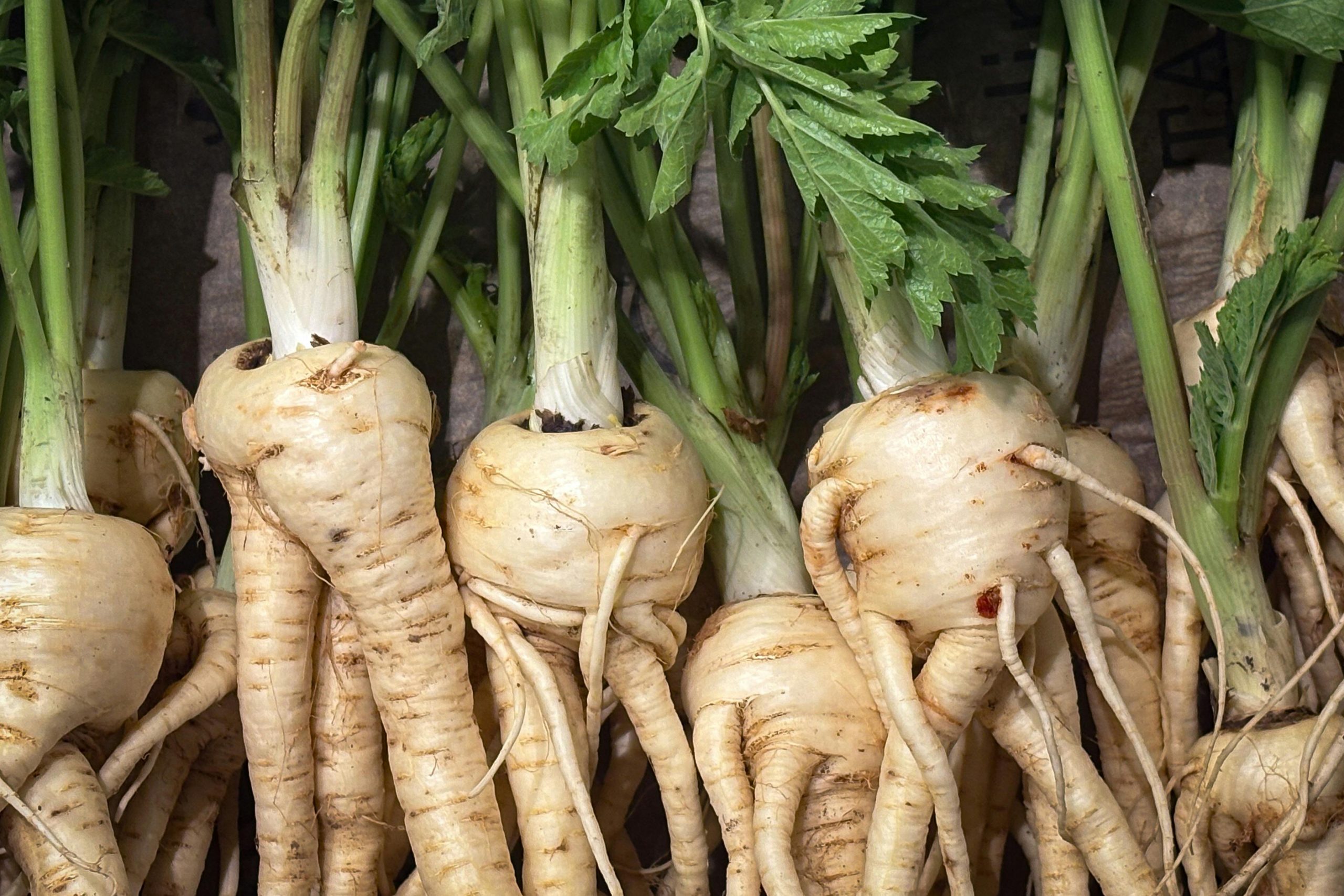
Parsnips
The fridge is the best place to store parnips. Think about buying parsnips loose. Buying loose helps you to buy what you need. If you buy what you need, you’re more likely to eat what you buy.
CAN I FREEZE IT?
Yes. Cooked parsnips can be frozen – place in a sealed container and remember to label with the contents and date you froze them. Boil uncooked parsnips for a few minutes and cool in iced water, or roast in the oven, before freezing. Or why not try shop-bought frozen vegetables? It is often cheaper than fresh, and you can take as much as you need straight from the freezer.
FRESHER FOR LONGER
Bendy parsnips? Chop off a small slice from each end and place in cold water. They’ll soon perk up..
Use it Up
In the same way you can use carrot or courgette, you can use up parsnip in cakes!
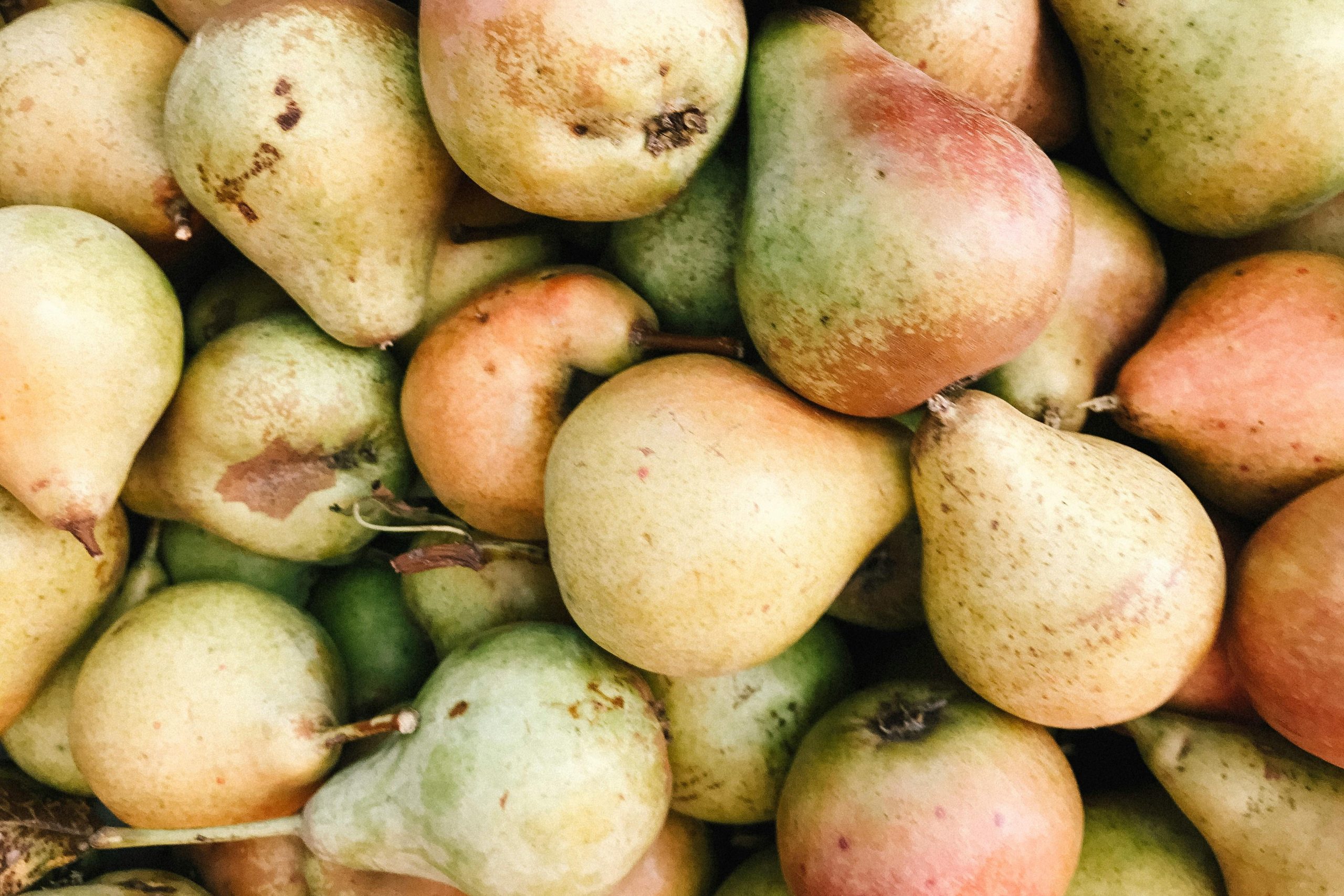
Pears
The fridge is the best place to store pears. For freshness and quality, store pears in the fridge. Ripen at room temperature. Think about buying pears loose. Buying loose helps you to buy what you need. If you buy what you need, you’re more likely to eat what you buy.
CAN I FREEZE IT?
Yes. Pears can be frozen in slices after they have been quickly cooked in boiling water. Freeze in a single layer to stop them sticking together, then pack into bags once frozen.
FRESHER FOR LONGER
Separate out fruit which is ripening more quickly than the rest. Don’t throw bruised pears away – instead, cut off any brown parts and chop the rest into wedges for a snack, or grate the remaining pear into salads.
Use it Up
Got leftover pears? Chop and mix them with apples to make a delicious crumble. Blend overripe or bruised pears with other fruits to make a delicious smoothie.
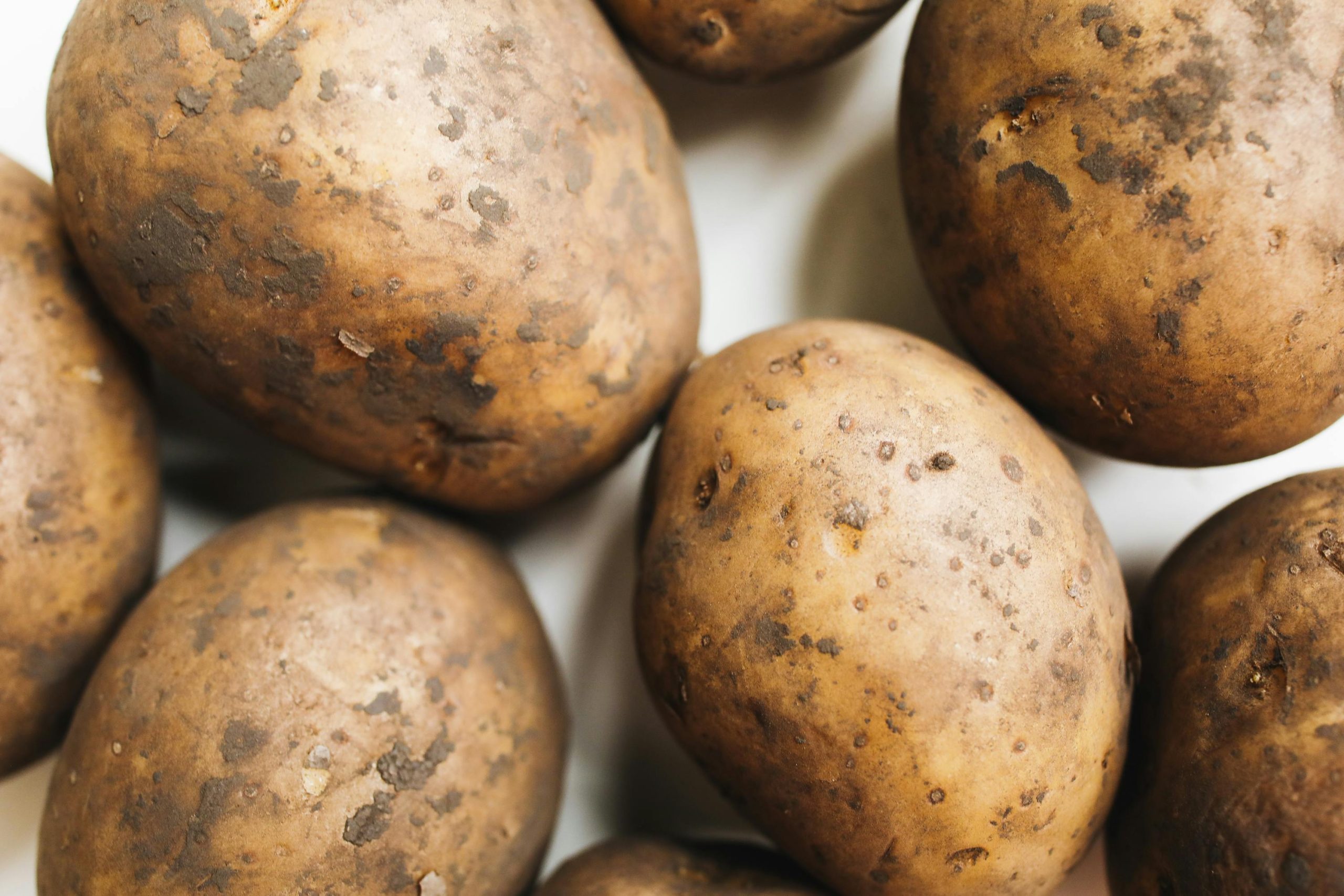
Potatoes
The fridge is the best place to store potatoes. Store your potatoes in the fridge to keep fresher for longer. Potatoes stored in the fridge can last more than three times as long compared with storage at room-temperature, such as in a cupboard. Think about buying potatoes loose. Buying loose helps you to buy what you need. If you buy what you need, you’re more likely to eat what you buy.
CAN I FREEZE IT?
Yes. Leftover cooked potatoes can be frozen. You can also roast boiled potatoes straight from the freezer – pop them in the oven with a little oil to crisp up.
FRESHER FOR LONGER
To store cooked potatoes, cool them as quickly as possible, ideally within one or two hours, and then store in the fridge for up to two days. If potatoes have sprouted, simply remove the sprouts before use, and remember to cut off any green or rotten bits before using.
Use it Up
Use a potato peeler rather than a knife as this will cut down on waste. Or don’t peel at all; you can boil, roast or mash them with the skins on! Keep potato peelings to make delicious homemade crisps. Add salt and pepper, plus whatever extra seasoning you like, then bake in a hot oven.

Squash
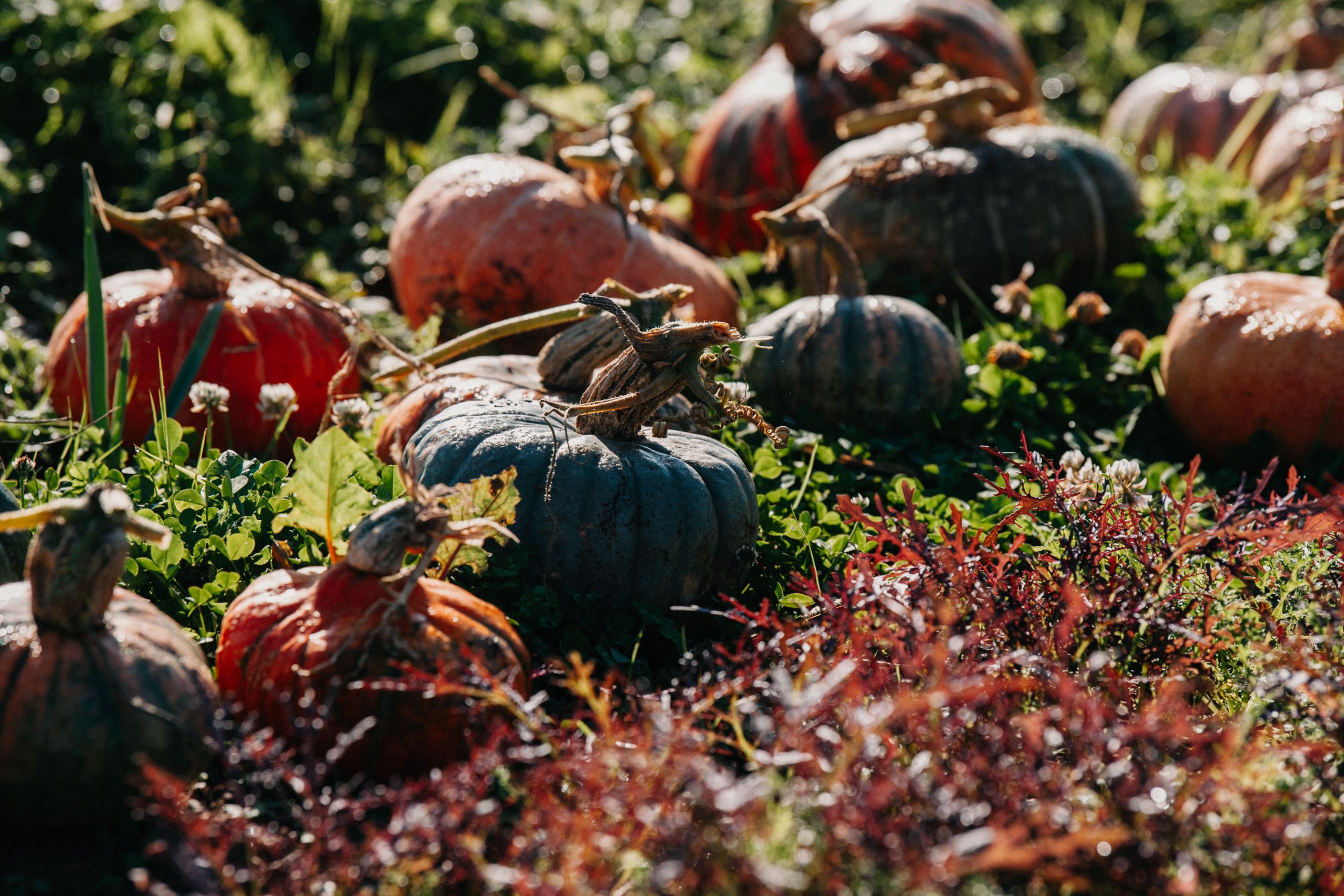
The cupboard is the best place to store squashes and pumpkins. Store your whole, uncut squash in a cool, dark place, like a cupboard.
CAN I FREEZE IT?
Yes. Roast or mash squash before freezing. Make sure to freeze in an airtight container or bag.
FRESHER FOR LONGER
Once the squash has been cut, wrap tightly and store in the fridge.
Use it Up
You can roast squash with the skins on, a delicious autumn veg with your Sunday roast.
Do you have your own tips and tricks for reducing home waste?
If you do we would love to hear about them and share them with our community.